
GLP-1s: The Rumors, The Reality, and My Personal Experience
Let’s kill two birds with one stone today. I’ve had a lot of people ask me about GLP-1 medications, especially after losing over 160 pounds. There are plenty of rumors floating around online, so I wanted to share my personal experience and talk about a few things people should know before starting one.
First, a little background. I lost a significant amount of weight before I ever started a GLP-1 medication. Weight loss wasn’t new to me. What was exhausting was the constant food noise. I was always thinking about food. What was I going to eat? When was I going to eat? Could I eat? Should I eat? Why was I eating? The more I tried to cut calories, the harder it became to concentrate on anything else. Food occupied way too much real estate in my brain.
I’m also a Type 2 diabetic and a former smoker. I struggled with remembering to take Metformin twice a day, so my doctor and I decided to try a GLP-1 medication. The first one I tried was Ozempic (semaglutide). For me personally, Ozempic had the worst side effects and the least benefit. Everyone responds differently, but I spent more time feeling miserable than I did feeling successful. I experienced significant nausea and never felt like it truly addressed the food noise that had followed me for years.
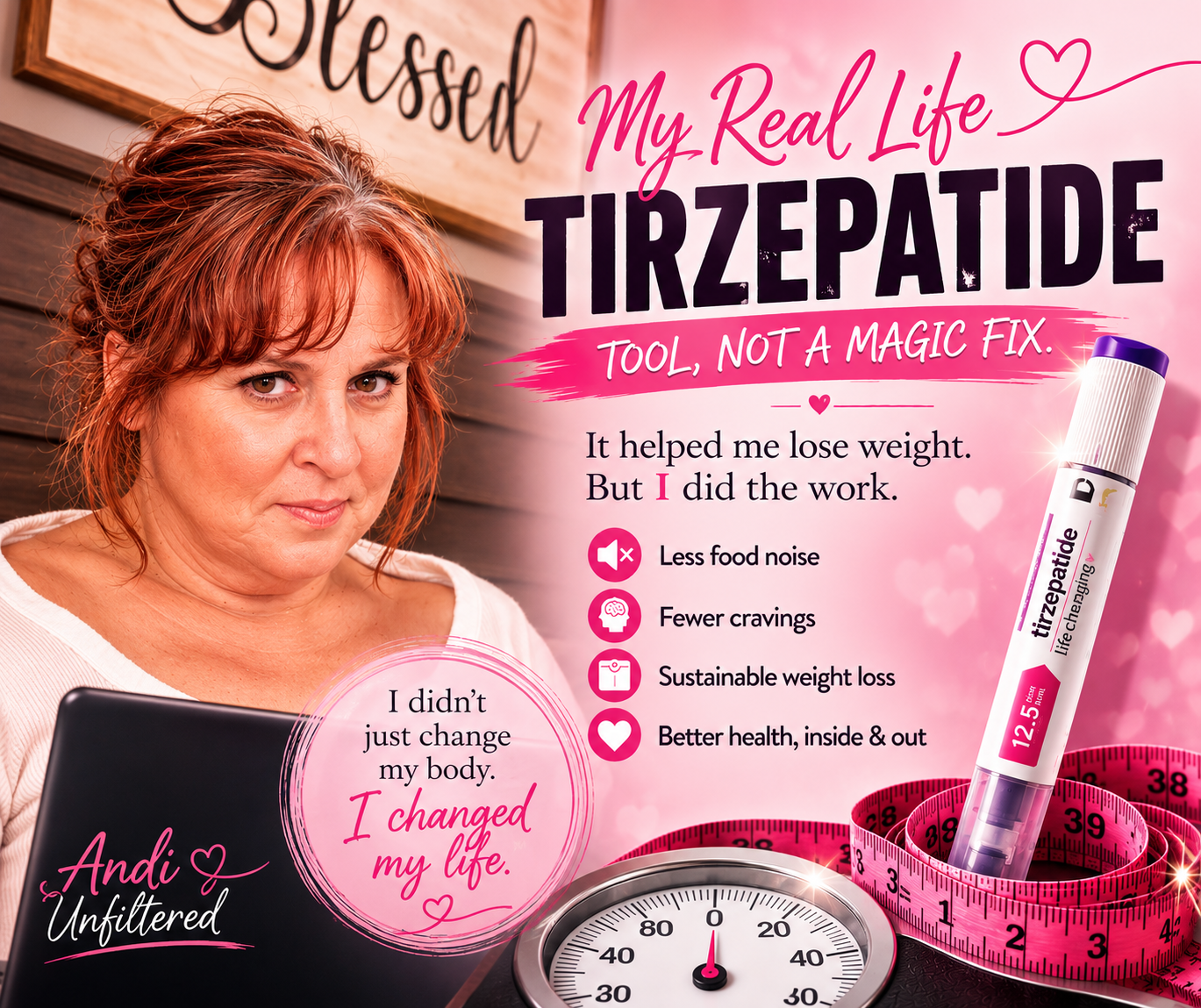
After that, I switched to Mounjaro (tirzepatide), and the experience was completely different. The food noise became quiet. Not gone forever. Not magic. But quiet. For the first time in a very long time, I wasn’t constantly thinking about my next meal. I could focus on work, family, school, and life instead of mentally planning snacks every twenty minutes.
Even more surprisingly, my urge to smoke disappeared. As a former smoker, that was something I never expected. Many people have reported similar experiences with GLP-1 medications reducing cravings and compulsive behaviors, but living with it was eye-opening. The kitchen sink suddenly felt a lot farther away. 😂
Another unexpected benefit was my fibromyalgia. I’ve lived with fibromyalgia for years, and the daily achiness, stiffness, and inflammation can be exhausting. After starting tirzepatide, I noticed a significant improvement in how I felt overall. I can’t say whether it was reduced inflammation, better blood sugar control, weight loss, or a combination of all three. What I can say is that I hurt less. For someone carrying extra weight, managing diabetes, recovering from injuries, and dealing with fibromyalgia, that was a welcome side effect. It wasn’t a miracle cure, but it made everyday life easier.
Let’s Talk About the Rumors
“You’ll Lose Muscle”
Yes, you can. But the medication isn’t magically stealing your muscle. Rapid weight loss combined with inadequate protein intake and little resistance training is what causes muscle loss. Protein becomes non-negotiable.
If you’re using a GLP-1, your priorities should be:
• Protein first
• Fiber second
• Hydration
• Strength training whenever possible
The less food you eat, the more important every bite becomes.
“GLP-1s Make You Tired”
They absolutely can. But sometimes people blame the medication when the real issue is nutrition.
If you’re eating very little, skipping protein, skipping meals, and surviving on crackers because nothing sounds appealing, you’re probably going to feel exhausted. One thing I learned quickly was that stomach space becomes valuable. You can’t waste it. When you’re eating less, every bite needs a job. Protein, fiber, hydration, and nutrient-dense foods become even more important than before.
“What About Side Effects?”
Let’s be honest. GLP-1 medications can have side effects.
For me, Semaglutide caused significantly more nausea than tirzepatide, but everyone responds differently. I also learned quickly that greasy foods, overeating, and not drinking enough water could make side effects worse. Constipation is another common complaint, which is why hydration and fiber become even more important. The medication may help reduce hunger, but it doesn’t replace taking care of your body.
“You’ll Gain It All Back”
Maybe. Maybe not.
The medication is a tool, just like a treadmill. If you never change your habits, never learn portion control, never prioritize protein, and never address the reasons behind your eating habits, then regaining weight becomes much more likely.
But if you use that quieter mental space to build sustainable habits, you’re giving yourself a much better chance of long-term success.
What I Wish More People Understood
Tirzepatide did not lose the weight for me. It was a tool that helped me build new habits. I still had to put in the effort, change my diet, prioritize protein, and stay active.
If anything, it made things harder in some ways, not easier. Instead of simply eating less, I had to focus on getting enough protein, preserving muscle, and strength training while losing weight.
What tirzepatide gave me was freedom from the constant obsession with food. It turned down the food noise that had occupied so much space in my mind for years.
For the first time in a long time, I wasn’t constantly negotiating with my stomach, my cravings, or the refrigerator. That gave me the mental space to focus on real life: school, family, recovery, work, and my future.
Disclaimer: This article reflects my personal experience with GLP-1 medications as a Type 2 diabetic. Everyone responds differently to medications, and this post should not be considered medical advice. Always discuss treatment options with your healthcare provider.